
Describe the property
Send the location, symptoms, equipment and access details. State whether the work is a repair, replacement or planned project.
Need plumbing help in Cambridge? Tell us about the leak, blocked drain, fixture or water heater. A responding provider will confirm coverage and availability before booking.
Get A Free QuoteCompare tank and tankless equipment for access, fuel, venting, capacity, and household hot-water demand. Review rental terms before planning a conversion or removal.
View scopeCompare snaking and hydro-jetting with pipe condition and blockage type. Camera inspection can help clarify recurring backups, roots, joint offsets, or a sag before repair is considered.
View scopeAssess galvanized supply piping and document pressure symptoms before comparing a branch repair with whole-house replacement in PEX or copper. Plan access around stone, plaster, and trim.
View scopeCheck toilet flange condition and fixture dimensions before replacement. Renovation rough-ins may require planning drains, vents, and valves before walls and tile are finished.
View scopeCompare acoustic listening, thermal imaging, and isolation testing to narrow a suspected leak. Document stains and floors above before agreeing on an opening and repair scope.
View scopeReview basin, pump capacity, discharge, and battery backup against the property’s drainage history. Check sewer layout and requirements before considering a backwater valve.
View scopeUse a tap test to compare softening, whole-home sediment or carbon filtration, and under-sink reverse osmosis. Review bypass access and ongoing maintenance before selecting equipment.
View scopeWater treatment choices for a Cambridge property should follow a test of the water actually reaching the tap, not an assumed citywide result. Record which tap was sampled and review test methods and results before comparing equipment. A softener, whole-home sediment or carbon filter, and under-sink reverse osmosis system treat different concerns and belong at different points in the plumbing. Ask about bypass arrangements, maintenance, and cartridge or salt requirements so the proposed equipment matches both the test and household use.
Compare tank and tankless equipment for access, fuel, venting, capacity, and household hot-water demand. Review rental terms before planning a conversion or removal. Compare snaking and hydro-jetting with pipe condition and blockage type. Camera inspection can help clarify recurring backups, roots, joint offsets, or a sag before repair is considered. Assess galvanized supply piping and document pressure symptoms before comparing a branch repair with whole-house replacement in PEX or copper. Plan access around stone, plaster, and trim.
Check toilet flange condition and fixture dimensions before replacement. Renovation rough-ins may require planning drains, vents, and valves before walls and tile are finished. Compare acoustic listening, thermal imaging, and isolation testing to narrow a suspected leak. Document stains and floors above before agreeing on an opening and repair scope.
Review basin, pump capacity, discharge, and battery backup against the property’s drainage history. Check sewer layout and requirements before considering a backwater valve. Use a tap test to compare softening, whole-home sediment or carbon filtration, and under-sink reverse osmosis. Review bypass access and ongoing maintenance before selecting equipment.
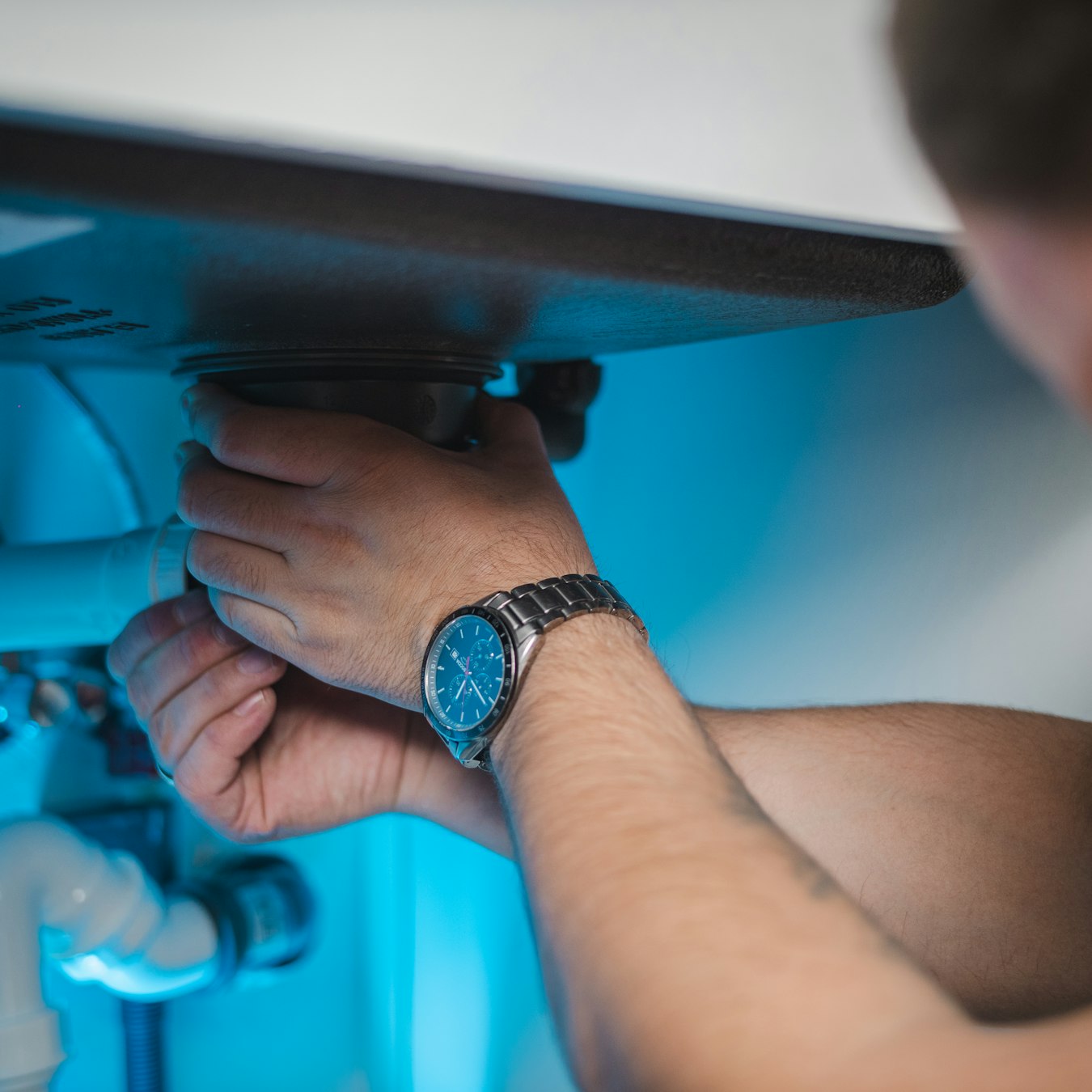
For a drain-cleaning request in Cambridge, note which fixtures are slow, when the problem occurs, and whether water appears at a floor drain or another low point. Photograph visible cleanouts and any recurring stains, and keep track of whether several fixtures are affected at once. Snaking, hydro-jetting, and camera inspection serve different purposes: the right approach depends on pipe condition, blockage type, and access. If a line is shared or its route is uncertain, confirm boundaries before planning repairs.
Explore this serviceSend the location, symptoms, equipment and access details. State whether the work is a repair, replacement or planned project.
The request is reviewed so the responding provider can clarify the work, property access and service coverage.
Agree the provider identity, qualifications, written scope, pricing and visit window directly. Sending a form does not confirm an appointment.
If the lateral may be shared or its route is unclear, identify accessible cleanouts and establish which section serves the property before discussing excavation or repair. Photograph property-side access points and ask how the proposed work avoids crossing a boundary. Route information can change both the scope and responsible party.
Photograph the rating label, nearby connections, vent, and full route from the entrance to the mechanical room. Record doorway and ceiling clearances. These details help determine whether a similar tank can fit or whether a different size or tankless layout needs consideration.
Before selecting a replacement toilet, photograph the base and note any rocking, visible damage, or signs of leakage. If an older flange is uneven or broken, ask whether it needs repair before setting the new fixture. A stable, sealed connection affects both the work scope and the finished floor.
Ask what acoustic listening, thermal imaging, or isolation testing could establish for the suspected leak. These methods help narrow the search but do not provide identical evidence. Review the findings and proposed opening location before work begins, so access is based on the likely source rather than the stain alone.
Ask what the test measures, where the sample was taken, and how its results relate to the proposed softener or filter. If supply differs by property or source, a test at the home is more useful than assuming a single result applies everywhere. Confirm bypass and service access in the proposed layout.
Use the form to describe the property, the symptoms and the work requested. For Kitchener, Ayr, Paris, Brantford, include your postal code so local coverage can be checked.